
Business
Uncategorized BizWebGenius Archives: What They Are and Why They Matter for Your Site


If you’ve ever stumbled across the phrase uncategorized BizWebGenius archives and felt a wave of confusion, you’re in good company. On the surface, it sounds like a technical footnote — something buried deep in a CMS dashboard that only developers need to worry about. But that assumption costs website owners real traffic, real authority, and real trust. Whether you run a business blog, a niche content site, or a digital marketing platform, the way your content is categorized — or left uncategorized — shapes how both readers and search engines experience your entire website. Understanding what these archives mean, why they form, and what to do about them is one of the most underrated skills in practical SEO.
What “Uncategorized” Actually Means in a CMS Context
Before diving into strategy and fixes, it helps to understand the mechanics. Most content management systems, WordPress being the most widely used, are built around a taxonomy system. When you publish a blog post, the system expects you to assign it to at least one category. Categories serve as the organizational backbone of your site — they tell readers what topics you cover, and they signal to search engines how your content is structured and what themes you claim authority on.
The problem is that many CMS platforms, WordPress included, don’t leave a blank field waiting to be filled. Instead, they auto-assign a default label — most commonly called “Uncategorized” — to any post that gets published without a manually selected category. This is a catch-all bucket, a digital junk drawer, and it populates far more often than most site owners realize. Writers in a rush to hit publish, editorial teams skipping the taxonomy step, or content migrations that strip metadata during transfer — all of these scenarios send posts tumbling into that default folder without anyone noticing.
On BizWebGenius specifically, the platform is structured around clearly defined subject areas: web analytics, SEO techniques, e-commerce strategies, and digital marketing insights. When posts land outside those defined pillars, in the uncategorized archives, they become harder to discover and harder for Google to contextualize. That mismatch between a site’s stated purpose and its structural reality is precisely what makes the uncategorized section a quiet threat.
Will You Check This Article: Soundgasm Explained: The Complete Guide to the Audio Platform Everyone’s Talking About
Why Uncategorized Archives Hurt More Than You Think
At first, it might seem harmless. A few posts without labels — so what? The issue is that the problem almost never stays small. Once “Uncategorized” becomes an accepted part of a site’s workflow, it compounds. One post becomes ten, ten becomes fifty, and before long a meaningful percentage of the site’s content is sitting in structural limbo.
The SEO Dimension
Search engines are fundamentally trying to answer a question when they crawl your site: what is this website about, and which pages are most relevant for which queries? Categories and their corresponding archive pages are one of the clearest signals you can send to answer that question. When posts are properly organized into topic-specific archives — say, “Content Strategy” or “Technical SEO” — Google can trace a coherent thematic thread from the archive page down to every individual post nested within it. That coherence builds what SEOs call topical authority.
An uncategorized archive disrupts that signal entirely. The page has no coherent theme. It might host a post about email marketing next to one about web hosting and another about social media analytics. From a machine-learning perspective, that’s noise, not signal. Crawlers can still index those posts individually, but the archive page itself becomes practically worthless as a ranking asset. Worse, if the uncategorized archive is large, it can dilute crawl budget — the finite amount of crawling attention Google allocates to your domain — pulling resources away from your best content.
There’s also a duplicate content risk to consider. Pagination within uncategorized archives can generate multiple URL variants of the same thin, unfocused page, which search engines may interpret as duplicate or near-duplicate content. That’s a structural problem that canonical tags can partially address but cannot fully compensate for if the root issue goes unresolved.
The User Experience Dimension
Beyond algorithms, there’s the human experience to consider — and here, the damage is perhaps even more tangible. Think about a first-time visitor who arrives at your site through a search result, reads one strong article, and decides to explore further. They click on a category link, hoping to find more content on the same topic. Instead, they land on a page labeled “Uncategorized” filled with posts on wildly different subjects. The experience feels chaotic, unprofessional, and — most damaging of all — untrustworthy.
Studies consistently show that users make up their minds about a website’s credibility within seconds. A disorganized archive signals that the site doesn’t take its own content seriously, which makes visitors far less likely to subscribe, share, or return. The bounce rate climbs, session duration drops, and all the engagement metrics that indirectly influence rankings take a hit. Good categorization, by contrast, turns archive pages into discovery engines — places where readers naturally want to keep clicking.
How Uncategorized Archives Form on BizWebGenius-Style Platforms
Understanding the origin of uncategorized archives makes them easier to prevent in future. There are several common pathways, and most of them come down to process rather than malice.
The most frequent cause is editorial haste. Publishing deadlines create pressure, and the final step of tagging and categorizing is often treated as optional or secondary. A writer submits a draft, an editor approves it, and the post goes live — all without anyone checking the taxonomy settings. The CMS fills the gap with its default label, and the uncategorized section grows quietly in the background.
Content migration is another major contributor. When a website redesigns, replatforms, or imports posts from an external source — say, moving from a legacy blogging system to a modern WordPress installation — the category metadata often doesn’t survive the transfer cleanly. Posts arrive stripped of their original classifications, automatically sorted into the uncategorized bucket, and unless someone audits the import carefully, they stay there indefinitely.
A third cause is the absence of a defined content taxonomy from the start. Sites that grow organically, adding topics and post types as they go rather than planning categories in advance, often end up with a messy structure. Early posts that didn’t fit anywhere obvious landed in “Uncategorized,” and no one ever went back to sort them out. Over time, this becomes a significant technical debt.
The Strategic Value You’re Leaving on the Table
Here’s the counterintuitive reality: an uncategorized archive isn’t just a problem to be fixed — it’s an opportunity that’s currently going to waste. Every post sitting in that default bucket has the potential to contribute meaningfully to your site’s SEO structure, your internal linking network, and your topical coverage map. Treating the cleanup exercise as pure damage control misses the bigger picture.
When you audit your uncategorized content and assign it to well-defined categories, you’re doing something more than tidying up. You’re strengthening the contextual connections between related posts, which improves how Google maps your site’s topical depth. You’re making it easier for internal linking to flow naturally between pieces of content, which distributes page authority more efficiently. And you’re creating properly themed archive pages that can rank independently for category-level queries — which are often high-intent, commercially valuable searches in their own right.
SEO professionals who work on large content sites sometimes describe category archive pages as the most underrated real estate on a domain. A well-optimized category page for “E-commerce SEO Strategies,” for example, can rank for broad informational queries that would be extremely competitive for any individual article to target. It becomes a hub — a page that signals comprehensive coverage of a topic and funnels readers deeper into your content ecosystem.
Auditing Your Archives: Where to Start
If you suspect your site has a meaningful volume of uncategorized content, the first step is an honest audit. You don’t need expensive tools to get started. Log into your WordPress dashboard and navigate to Posts > Categories. Click on “Uncategorized” and see how many posts are assigned there. If the number is more than a handful, you have work to do.
For sites with larger archives, a crawling tool like Screaming Frog or Ahrefs’ Site Audit can help you map every URL under the /category/uncategorized/ path and export a list of affected posts. Google Search Console can also reveal whether the uncategorized archive is being indexed and whether it’s generating any impressions or clicks — information that helps you prioritize the cleanup.
Once you have a full inventory, resist the temptation to make rapid bulk changes. Reorganizing dozens or hundreds of posts at once can trigger URL changes, which require proper redirects to preserve the existing search equity those posts have accumulated. The right approach is methodical: assess each post’s core topic, map it to an existing category or create a new one if there’s genuine thematic need, update the post’s category assignment, and set up 301 redirects if the URL structure changes in the process.
Building a Category Structure That Scales
The deeper lesson behind any uncategorized archive problem is that robust content organization requires intentional planning — not just reactive cleanup. Websites that manage their taxonomy well from the beginning rarely face this issue at scale.
A good category structure follows a few consistent principles. First, categories should represent genuinely distinct topical areas, not arbitrary groupings. If two categories cover overlapping themes, they’ll produce archive pages that confuse both users and search engines. Second, the number of categories should be manageable — enough to give your content meaningful homes without fragmenting your authority across too many thin archives. Most content-focused sites function best with somewhere between five and fifteen primary categories.
Third, every category should pass what experienced bloggers call the “archive usefulness test”: would a visitor who lands on this archive page find genuine value in browsing the posts collected there? If the answer is yes, the category is earning its place. If the answer is uncertain, the category probably needs either more content or a merger with a related theme.
Tags, which function differently from categories in WordPress and similar systems, should not be used as a workaround for poor categorization. Tags create their own archive pages, and when sites accumulate dozens of rarely-used tags, they generate thin content pages that can actively harm crawl efficiency and indexing quality. The discipline that keeps categories clean should extend to the tag taxonomy as well.
Optimizing Archive Pages for Search Visibility
Once your content is properly categorized, the archive pages themselves deserve dedicated optimization attention — not just the individual posts they contain. This is where many website owners stop short, assuming that categorizing posts is the finish line. It isn’t.
Each category archive page should have a unique, descriptive title tag and meta description that includes the primary topical keyword for that category. The archive page itself should open with an introductory paragraph — sometimes called a category description — that contextualizes the content, establishes the theme, and ideally includes a few natural keyword variations. Most WordPress themes display this description at the top of the archive, but the field often goes unused.
Internal linking is another powerful lever. Linking to category archive pages from relevant posts — and from your site’s main navigation where appropriate — signals to Google that these pages are important hubs, not just auto-generated byproducts of the publishing system. It also creates visible pathways for readers to discover related content, which supports both engagement metrics and the kind of user behavior signals that modern search algorithms increasingly factor into rankings.
For archive pages with paginated content, using the rel="next" and rel="prev" markup (or simply ensuring clean pagination structures) helps search engines understand that these pages form a coherent series rather than duplicates. Showing post excerpts rather than full post text on archive pages also reduces the risk of thin or redundant content across paginated URLs.
Preventing the Problem From Returning
Cleaning up existing uncategorized archives is valuable, but it only solves half the problem. The other half is building editorial processes that prevent new posts from slipping through uncategorized in the future.
The simplest solution is to change the WordPress default category. Rather than leaving “Uncategorized” as the catch-all, rename it to something meaningful — a genuine category that any broadly topical post could reasonably belong to — or restructure the workflow so that no post can be published without a category selection. Some teams use editorial checklists that include taxonomy assignment as a mandatory step before approval. Others configure their publishing workflow tools to flag posts without categories as incomplete rather than ready to publish.
It’s also worth conducting a quarterly review of any posts that may have drifted into the default category through automated imports, plugin updates, or theme changes. These events can occasionally reset category assignments in ways that aren’t immediately obvious. A brief audit every few months catches these issues before they accumulate into a significant structural problem.
What BizWebGenius and Similar Platforms Do Well — and Where Content Structure Fits In
BizWebGenius has positioned itself as a resource for entrepreneurs, digital marketers, and business technology enthusiasts. The platform covers substantial ground — from analytics and automation to growth strategies and platform reviews. That breadth is a strength when it’s well-organized, because it signals comprehensive expertise to both readers and search engines. But breadth without structure is a liability.
The uncategorized archives section on any platform of this kind represents content that hasn’t yet been integrated into the site’s broader knowledge architecture. It’s potential that hasn’t been activated. When those posts are properly categorized, cross-linked, and surfaced through well-optimized archive pages, they stop being isolated content assets and start functioning as part of a coherent editorial ecosystem — one that builds authority, drives discovery, and keeps readers engaged across sessions rather than just visits.
Conclusion
The uncategorized BizWebGenius archives — or any uncategorized archive section on a content-driven website — might seem like a minor housekeeping issue, but its impact reaches across user experience, technical SEO, and long-term content authority. Posts without categories are posts without context, and context is what allows both readers and algorithms to trust and engage with your content. The fix isn’t complicated: audit what you have, build a thoughtful taxonomy, optimize your archive pages as genuine content hubs, and create editorial processes that keep things organized going forward. Done right, this kind of structural investment pays dividends far beyond what any individual article optimization can achieve. Your archives aren’t just where old posts live — they’re where your site’s topical authority is built or quietly lost.
Read More: Mynewsdaily.co.uk

In a world where language evolves at the speed of a scroll, few phenomena are as fascinating as a word that appears from nowhere and commands widespread curiosity before anyone can fully define it. Pertadad is one such term — an emerging concept drifting through online discussions, creative communities, and digital search engines with the quiet confidence of something that belongs, even if nobody is entirely sure where it came from. It sits at the intersection of invented language, internet culture, and the very human need to name the unnamed. Whether you encountered it in a blog post, stumbled upon it in a forum thread, or simply followed an instinct to search, you are part of a growing community of people drawn to this genuinely intriguing linguistic phenomenon.
The Nature of Emerging Digital Language
To understand a word like pertadad, it helps first to appreciate how new language emerges in the digital age. Historically, words were born slowly — through trade routes, migration, religious texts, or centuries of oral tradition. They carried etymology like a passport, proving their origins and justifying their existence. The internet has dissolved that slow, deliberate process entirely. Today, a word can appear on a niche Reddit thread on a Tuesday afternoon and trend globally by Friday evening, carried by curiosity, memes, and the viral machinery of modern social platforms.
This transformation of language creation is not trivial. It represents a fundamental shift in who gets to make meaning. In previous centuries, new words required the endorsement of academics, publishers, or religious authorities. Now, ordinary people — gamers, content creators, developers, and artists — coin terms constantly, often without conscious intent. They fill gaps in expression, create shorthand for ideas that existing vocabulary cannot capture, or simply invent sounds that feel right. Many of these words vanish as quickly as they appear. Others quietly accumulate context, community, and permanence.
Pertadad belongs to this second category. It has not vanished. Instead, it has attracted a steady and growing stream of attention, drawing people to explore it from multiple angles — linguistic, cultural, philosophical, and commercial. The fact that it resists a single clean definition is not a weakness. In the fluid grammar of online culture, that ambiguity is precisely the trait that makes it durable.
Will You Check This Article: Louisa Kochansky: The Visionary Leader Redefining Modern Excellence
Linguistic Roots and Structural Analysis
When a new word arrives without a documented history, linguists and curious readers alike tend to turn to structural analysis — examining how the word is built, what it sounds like, and what existing language families it might echo. Pertadad rewards this kind of attention with several interesting qualities worth unpacking.
Phonetically, the term carries a satisfying rhythm. The pattern of its syllables — per-ta-dad — creates a three-beat cadence that feels naturally spoken rather than digitally assembled. This quality, known in linguistics as prosodic balance, is something that makes words inherently memorable. Think of how many popular brand names, concepts, and cultural touchstones share that same easy three-syllable structure. It is not accidental. Words that sound pleasant to say tend to spread more effectively than those that feel awkward on the tongue.
From an etymological perspective, some researchers have drawn tentative connections between pertadad and older linguistic traditions. There are loose parallels to Indo-Iranian roots, where compound names often blended ideas of heritage, divine gift, and ancestral legacy. A small number of interpretations position the term near the Persian tradition of naming — where pa or per prefixes carried connotations of guardianship or protection, and dad could relate to gift, law, or justice. While none of these connections are confirmed with documentary evidence, they are linguistically plausible and add a layer of cultural richness to the conversation.
Others have noted similarities to the Spanish and Polish word petarda, meaning firecracker — something explosive, surprising, and impossible to ignore. This interpretation aligns well with how the term behaves in digital spaces: arriving without warning, generating heat and light, and leaving an impression far larger than its size would suggest. Whether intentional or coincidental, this association gives the word an energetic personality that sits comfortably within the context of internet culture’s love of the dramatic and the unexpected.
“Language in the digital age no longer waits for permission — it simply arrives, finds its community, and begins to mean.”
How Pertadad Gained Digital Traction
Tracking the trajectory of an emerging word requires looking at patterns rather than a single origin point, because words like this rarely have a clean birth certificate. What the available evidence suggests is that pertadad began accumulating attention around 2024, when isolated blog articles and creative platforms started treating it as a concept worthy of exploration. These early pieces were exploratory rather than definitive — they circled the term, offered interpretations, and invited readers to contribute their own understanding.
This collaborative meaning-making process is itself a distinctly modern phenomenon. When mainstream media introduces a new word, it arrives with an authoritative definition and a press release. When internet culture generates a term organically, the opposite happens: the community builds the meaning together, piece by piece, post by post. Each new article about pertadad added a layer of interpretation. Each new reader brought their own background, associations, and cultural lens. The result was not a single meaning, but a constellation of meanings — each valid within its context.
By 2025, the term had evolved from a curiosity into a recognizable concept within certain online circles. It appeared in discussions about digital branding, personal identity, and creative expression. Content creators adopted it as a username or project name because of its distinctive sound and low digital competition. Writers used it as a vehicle for exploring broader themes about originality, language evolution, and the nature of meaning itself. The term’s flexibility — its willingness to wear many different interpretive hats — turned out to be its greatest strength.
Search engine data tells its own story. Low-competition keywords with consistent search growth are valuable precisely because they represent an uncontested space in the digital landscape. Pertadad occupied that space effectively, drawing curious readers who stayed long enough to engage with the content they found, which in turn rewarded the pages that covered it thoroughly with improved organic visibility. The curiosity loop — see it, not understand it, search for clarity — proved to be a self-sustaining engine of discovery.
Symbolic Interpretations Across Communities
One of the most compelling aspects of pertadad is how different communities have interpreted it to fit their own cultural and creative frameworks. This is not a sign of confusion or incoherence. Rather, it reflects the richness of a term that functions more like a symbol than a label. Symbols do not have one meaning — they have resonance, and that resonance changes depending on who is holding them and what they need them to mean.
In creative communities, pertadad has been embraced as an emblem of originality. Writers, visual artists, and digital creators have adopted it to represent the act of making something entirely new — without precedent, without rules, without the constraint of having to justify one’s work against an existing tradition. In this reading, pertadad is almost a verb as much as a noun: to pertadad is to create freely, to resist the pressure of categorisation, and to trust that the meaning will emerge through the act of creation itself.
In philosophical and literary circles, the term has attracted a different kind of attention. Thinkers interested in semiotics — the study of signs and meaning — find pertadad to be a useful case study in how meaning is constructed rather than discovered. The fact that the word arrived without a definition forced communities to build one, which in turn revealed the underlying mechanisms of how all language actually works. Even words we consider ancient and settled once went through a version of this process. Pertadad simply makes that process visible because it is happening in real time, in public, and at internet speed.
Entrepreneurs and branding professionals have looked at pertadad from a more pragmatic angle. In the world of brand naming, finding a term that is distinctive, phonetically appealing, and not already claimed across major platforms is extraordinarily difficult. A word like this ticks those boxes almost by definition. Its invented nature means it carries no unwanted baggage, no competing associations, and no legacy reputation to manage. For startups, creative agencies, and independent professionals building a digital identity from scratch, that kind of blank-slate potential is genuinely rare and commercially valuable.
The Psychology Behind Our Fascination With Unknown Words
There is a deeper psychological reason why a word like pertadad captures attention so effectively, and it is worth exploring because it tells us something important about how the human mind engages with language and novelty. When we encounter a word we do not recognise, our brains do not simply register confusion and move on. Instead, they activate a response that psychologists associate with curiosity-driven learning — a state in which the gap between what we know and what we want to know becomes motivating rather than frustrating.
This is sometimes called the information gap theory of curiosity, developed by behavioural economist George Loewenstein. According to this theory, curiosity is most powerfully triggered when we sense that information is nearby but just out of reach. A strange word that appears to mean something, that carries the weight of a concept without declaring what it is, sits in exactly this zone. It feels like it should mean something. It feels familiar in structure even while being entirely new in content. That tension is productive — it makes us search, read, engage, and remember.
This psychological mechanism explains why so many people who encounter pertadad for the first time do not dismiss it. Instead, they lean in. They read the article, they follow the link, they share it with someone else. The word’s ambiguity is not a barrier to engagement — it is the invitation. And because the engagement is driven by genuine curiosity rather than passive consumption, it tends to be deeper and more lasting than the attention generated by conventional content.
There is also something to be said for the pleasure of discovery. In an age of information overload, genuinely encountering something new — something that is not immediately classifiable, that requires active interpretation — feels rare and therefore valuable. Pertadad offers that experience consistently, which is one of the reasons its appeal has proven more durable than many other internet-born terms that flared briefly and faded.
Pertadad in Modern Branding and Creative Expression
The practical applications of pertadad extend well beyond philosophical curiosity. In the digital economy, language is infrastructure. The words we choose to represent ourselves, our projects, and our brands carry real weight — they shape perception, influence memory, and determine whether we are discovered or overlooked in an increasingly crowded information landscape.
For individuals building a personal brand online, the choice of a unique identifying term is one of the most consequential early decisions they will make. A name or keyword that is too common disappears into a sea of identical results. A name that is too obscure or difficult to pronounce fails to travel through social networks efficiently. The ideal sits between those extremes: distinctive enough to stand out, phonetically accessible enough to spread, and flexible enough to grow with the brand over time. Pertadad occupies that ideal position with considerable grace.
Content creators working in niches that value originality — experimental music, conceptual art, speculative fiction, independent game development — have found particular affinity with the term. In creative spaces where the ability to signal originality quickly and credibly is a real competitive advantage, adopting a word like this as part of one’s identity communicates something about one’s relationship to convention and creativity without needing to say it explicitly. The word does the work.
In the broader marketing landscape, there is a growing recognition that semantic novelty — the use of terms that feel fresh and undefined rather than worn and over-claimed — creates a kind of cognitive open space around a brand. Established words arrive pre-loaded with associations accumulated over years of use by competitors, news media, and cultural conversation. Invented or freshly emerging terms arrive clean. For brands willing to invest in building meaning around a new term rather than competing for share of an existing one, that clean slate represents a genuine strategic opportunity that forward-thinking marketers are only beginning to fully appreciate.
Louisa Kochansky: The Visionary Leader Redefining Modern Excellence
It would be easy to dismiss pertadad as simply an internet curiosity — a meaningless word that attracted attention precisely because it meant nothing. But that reading undersells both the term and what it represents. The story of how this word moved from an obscure digital experiment to a recognised concept with real cultural and commercial currency is, in microcosm, the story of how language, identity, and meaning work in the twenty-first century.
Pertadad is a mirror held up to the way we make meaning collectively, the way curiosity drives discovery, and the way communities form around shared acts of interpretation. It shows us that authority over language has genuinely decentralised — that ordinary people in ordinary digital spaces are now capable of generating concepts that spread, evolve, and acquire real significance without the endorsement of any institution or authority. That is not a trivial development. It represents a fundamental change in who gets to contribute to the ongoing human project of naming the world.
And for anyone who has ever felt the pull of an unknown word and found themselves compelled to understand it, pertadad is simply proof that curiosity is one of the most powerful forces in the human experience — and that some of the most interesting journeys begin with a word you have never heard before.
Read More: Pointmagazine.co.uk

Uncategorized BizWebGenius Archives: What They Are and Why They Matter for Your Site

Soundgasm Explained: The Complete Guide to the Audio Platform Everyone’s Talking About

Movies123 Explained: What It Is, Why It Disappeared, and What to Use Instead

DigitalEdge.org: Your Gateway to Smarter Digital Growth

Daylin Ryder: The Creative Visionary Redefining Authentic Storytelling

Louisa Kochansky: The Visionary Leader Redefining Modern Excellence
-
 Tech5 days ago
DigitalEdge.org: Your Gateway to Smarter Digital Growth
-
 Celebrity5 days ago
Daylin Ryder: The Creative Visionary Redefining Authentic Storytelling
-
 Celebrity5 days ago
Louisa Kochansky: The Visionary Leader Redefining Modern Excellence
-

 Travel2 days ago
Senaven: The Complete Guide to Its Uses, Benefits, and Modern Relevance
-

 Business5 days ago
Pertadad: Meaning, Origins, and Its Rising Digital Identity
-
 Blog3 days ago
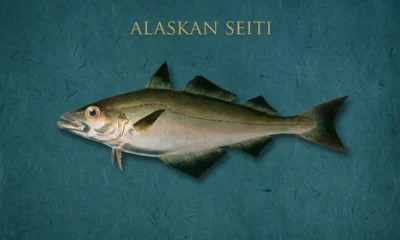
Alaskan Seiti: The Deep-Sea Treasure Reshaping Sustainable Seafood
-
 Entertainment59 minutes ago
Soundgasm Explained: The Complete Guide to the Audio Platform Everyone’s Talking About
-

 Blog3 days ago
Cintia Cocio: The Rise of a Fitness Icon Who Inspires Millions