Blog
Alaskan Seiti: The Deep-Sea Treasure Reshaping Sustainable Seafood

Introduction
Beneath the frigid, nutrient-rich waters of the North Pacific lies one of the most prized and least celebrated fish in the global seafood market. Alaskan seiti — known more formally in Western markets as sablefish or black cod — has long been a cornerstone of Alaska’s commercial fishing industry, yet it remains something of a hidden gem to the everyday consumer. With a flavor profile so rich and buttery that it has earned the admiration of world-class chefs, and a sustainability track record that makes environmentally conscious diners take notice, this remarkable species is far more than just another cold-water fish. As global demand for responsibly sourced, nutrient-dense seafood continues to grow, alaskan seiti is steadily moving from the specialty food counters of high-end restaurants into mainstream kitchens — and for very good reason.
What Is Alaskan Seiti and Where Does It Come From?
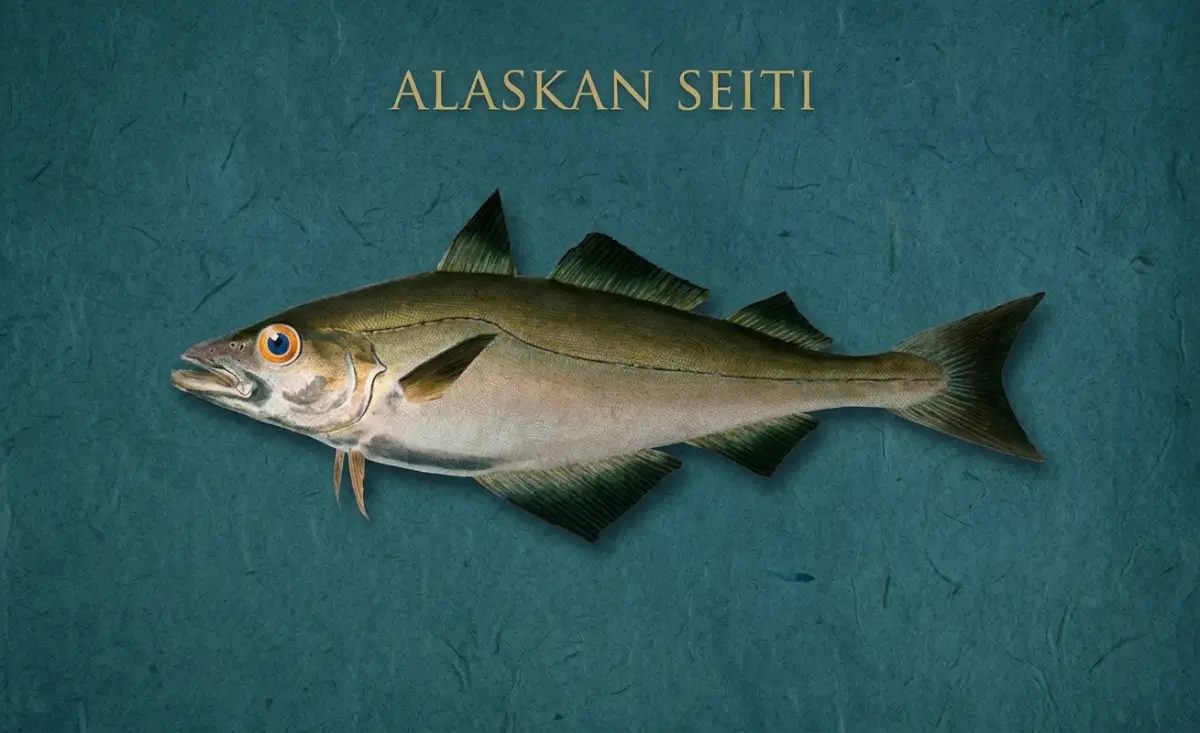
Sablefish, scientifically known as Anoplopoma fimbria, inhabits the deep waters of the North Pacific Ocean, ranging from the Bering Sea and the Gulf of Alaska down along the Pacific Coast all the way to Baja California. However, the richest and most commercially significant populations are found in Alaskan waters, where cold temperatures, deep submarine canyons, and abundant prey create ideal conditions for this slow-growing, long-lived species. In Japanese culinary tradition, this fish is referred to as “gindara,” while in Korean cuisine it is called “seiti” — a name that has become popular in certain Asian-Pacific food communities and export markets, reflecting the fish’s deep cultural and culinary roots across multiple countries.
The fish typically inhabits depths ranging from 300 to over 2,700 meters, making it one of the deeper-dwelling commercially harvested species in the North Pacific. Adults are dark gray to black on the dorsal side, with a distinctively sleek, somewhat elongated body. They are slow to mature, generally reaching sexual maturity at around five years of age, and can live for more than 90 years — a biological fact that has major implications for how the fishery must be managed to remain sustainable over the long term. Their longevity and slow reproductive pace make them vulnerable to overfishing, which is why careful management of Alaskan stocks is so critically important.
Will You Check This Article: TXMyZone: Your Ultimate Guide to Smarter Digital Zones
The Unmatched Flavor Profile That Sets It Apart
Ask any sushi chef or fine-dining cook what makes this fish so special, and the answer will almost always center on one word: butter. The flesh of sablefish contains an exceptionally high percentage of omega-3 fatty acids and natural oils, giving it a silky, melt-in-your-mouth texture that is almost unparalleled among cold-water fish. Unlike halibut, which is lean and mild, or salmon, which has a more assertive flavor, black cod occupies a unique culinary space — it is rich without being heavy, flavorful without being fishy, and tender without being mushy.
This natural fattiness also makes it one of the most forgiving fish to cook. Whether it is grilled, broiled, poached, steamed, or baked, the oil content keeps the flesh moist and flavorful throughout the cooking process, making it difficult to overcook in the way that leaner fish often suffer. It absorbs marinades beautifully, which is why the Japanese miso-marinated preparation — popularized globally by chef Nobu Matsuhisa — remains one of the most beloved ways to prepare it. A simple glaze of white miso, mirin, and sake applied over several days and then broiled yields a caramelized, lacquered exterior with flesh that practically dissolves on the palate.
The flavor is further shaped by what the fish eats in the wild. Sablefish are opportunistic predators that feed on smaller fish, shrimp, squid, and other invertebrates found in the deep sea. This varied, protein-rich diet contributes to the complex, savory depth of the flesh — a quality that distinguishes wild Alaskan sablefish from any farmed alternative.
Nutritional Power Hidden in Every Bite
Beyond its culinary excellence, sablefish delivers an impressive nutritional profile that aligns perfectly with modern dietary priorities. It is one of the most omega-3-dense fish in the world, containing levels of EPA and DHA — two critical long-chain omega-3 fatty acids — that rival or exceed those found in Atlantic mackerel and farmed salmon. These fatty acids play a well-documented role in supporting cardiovascular health, reducing systemic inflammation, promoting brain function, and supporting fetal development during pregnancy.
A single 100-gram serving of sablefish provides roughly 1,500 to 2,000 milligrams of omega-3 fatty acids, which easily meets or exceeds most recommended daily intake guidelines for these nutrients. In addition to healthy fats, it is an excellent source of complete, high-quality protein, B vitamins including B12, selenium, phosphorus, and niacin. Vitamin B12 is particularly abundant in sablefish, making it an outstanding dietary choice for individuals at risk of deficiency, including older adults and those with limited red meat intake.
Perhaps what makes the nutritional story even more compelling is the relatively low mercury content of this species compared to other high-omega-3 fish such as king mackerel or swordfish. While sablefish is long-lived, its feeding habits and the clean waters of Alaska mean that mercury accumulation remains at levels considered safe for regular consumption by most health authorities, including pregnant women and young children — provided portions are kept within sensible limits.
Alaskan Seiti and the Gold Standard of Sustainable Fishing
One of the most powerful aspects of the story behind alaskan seiti is the robust sustainability framework that governs how it is harvested. Alaska has long been recognized as a global leader in responsible fishery management, and the sablefish fishery is one of the most closely monitored and regulated commercial fisheries in the world. The Alaska sablefish fishery has held Marine Stewardship Council (MSC) certification for many years, a distinction that requires rigorous independent assessment of stock health, fishing impact on ecosystems, and the effectiveness of management systems.
The fishery operates under an Individual Fishing Quota (IFQ) system, which was introduced in the 1990s to replace the chaotic and dangerous “derby” style fishing that previously dominated Alaskan waters. Under the IFQ system, each permit holder is assigned a specific share of the annual allowable catch, which is itself determined each year by scientists from the National Marine Fisheries Service (NMFS) based on thorough stock assessments. This approach has proven highly effective at preventing overharvesting, reducing bycatch, and improving the overall economic stability of fishing communities throughout Alaska.
The fishing methods used are also relatively low-impact. Sablefish are primarily caught using longlines — weighted lines set on or near the seafloor with baited hooks — or with black cod pots, which are trap-style gear that reduces bycatch of non-target species. Both methods have minimal impact on seafloor habitats compared to bottom trawling, and the selective nature of the gear means that unwanted species can often be released alive. For seafood consumers who care deeply about the environmental footprint of what they eat, Alaskan sablefish represents one of the most responsible choices available.
The Economics and Culture of Alaska’s Sablefish Fishery
The economic importance of sablefish to Alaska’s coastal communities cannot be overstated. It consistently ranks among the highest-value fish species harvested in Alaskan waters, often fetching premium prices at dockside that reflect both its culinary desirability and its controlled supply. Small-boat fishermen working out of ports like Sitka, Kodiak, Petersburg, and Homer rely heavily on sablefish quota for a significant portion of their annual income. The IFQ system, while sometimes criticized for enabling the consolidation of quota into fewer hands over the decades, has nonetheless provided a degree of economic predictability that benefits both fishing families and the broader regional economy.
A substantial proportion of the Alaskan sablefish harvest is exported to Japan, where demand for high-quality gindara for traditional preparations such as saikyo-yaki (the famous miso-marinated dish) remains consistently strong. South Korea is another major importer, reflecting the cultural significance of seiti in Korean cuisine, where it is commonly prepared in a spicy braised style called “eunmul jorim” or grilled simply with salt. Increasingly, domestic demand within the United States is growing as consumers discover the fish through restaurant menus and upscale grocery channels.
The cultural relationship between Indigenous Alaskan communities and sablefish predates commercial fishing by thousands of years. Alaska Native groups including the Tlingit, Haida, and various Yupik communities harvested black cod as a traditional food source, using a variety of gear types and preservation methods including smoking and drying. This deep cultural connection continues today, and efforts to ensure Indigenous fishing rights and access remain an important aspect of the broader management conversation.
How to Buy, Store, and Prepare Sablefish at Home
For home cooks interested in exploring this extraordinary fish, accessibility has improved significantly over the past decade. Fresh or frozen sablefish is now available through a growing number of community-supported fishery (CSF) programs, specialty seafood retailers, and online direct-to-consumer services that ship directly from Alaskan fishing families. When selecting sablefish, look for flesh that is pearlescent white with a slight translucency, free of any brown or yellowing discoloration, and with a clean ocean scent rather than a strong fishy odor. Frozen sablefish, when handled properly through flash-freezing at sea, can be exceptional — in many cases rivaling fresh in quality.
Storage is straightforward: fresh sablefish should be consumed within two to three days of purchase and kept in the coldest part of the refrigerator. If purchased frozen, it should be thawed slowly in the refrigerator overnight rather than under running water, which can compromise texture. Once thawed, it should be treated as fresh and cooked promptly.
At home, the simplest preparations often yield the most impressive results. A straightforward approach involves patting the fillets dry, seasoning generously with salt and a touch of white pepper, and searing skin-side down in a hot cast iron pan with a small amount of neutral oil until the skin is golden and crisp, then finishing briefly in the oven. The flesh will be opaque and flake gently when pressed — a sign that it is perfectly done. For those willing to invest a little more time, a 24- to 48-hour miso marinade dramatically transforms the fish, creating a deeply umami-forward crust through the Maillard reaction when broiled at high heat.
The Future of Alaskan Sablefish in a Changing Ocean
Climate change presents one of the most significant long-term challenges to the sustainability of sablefish populations in Alaskan waters. As ocean temperatures rise and the chemistry of the North Pacific shifts, researchers are carefully monitoring changes in the distribution, reproductive success, and prey availability for sablefish. Early data suggests that warming waters may be causing some shift in the geographic range of the species, and changes in the timing and abundance of their prey could affect growth rates and body condition over time.
Despite these uncertainties, the scientific and management infrastructure surrounding Alaskan sablefish provides considerable reason for cautious optimism. The annual stock assessments conducted by NMFS are among the most sophisticated in the world, incorporating data from multiple survey methods, age-reading programs, and collaborative research with the fishing industry itself. This adaptive management approach means that catch limits can be adjusted swiftly in response to changing conditions, reducing the risk that a population decline goes undetected until it becomes a crisis.
Aquaculture research is also gaining momentum as a potential complement to the wild fishery. Sablefish have shown promise as a candidate for marine aquaculture due to their high market value and the existing technological expertise around salmon farming in Pacific waters. Hatchery techniques for sablefish have been developed and refined over recent decades, and experimental farm operations in both the United States and Canada are exploring whether commercially viable production is achievable with acceptable environmental standards. If developed responsibly, aquaculture could help satisfy growing global demand without placing additional pressure on wild stocks — though the wild Alaskan product will always hold a premium position in the market.
Conclusion: Why Alaskan Seiti Deserves a Place on Every Table
The story of alaskan seiti is ultimately a story about excellence — in flavor, in nutrition, in conservation, and in the human communities built around its harvest. Few fish can claim such a comprehensive combination of culinary prestige, ecological stewardship, and economic significance. In an era when consumers are increasingly asked to make more thoughtful choices about what they eat and where it comes from, sablefish offers a compelling answer: a fish that is not only among the most delicious in the world but one that, when sourced from Alaskan waters, can be consumed with genuine confidence in its origins and sustainability.
Whether you encounter it at a high-end omakase counter, pick up a vacuum-sealed fillet from a trusted online fishmonger, or receive it as part of a community-supported fishery share from an Alaskan fishing family, the experience of cooking and eating this remarkable fish is one that rewards curiosity and care in equal measure. Its time in the culinary spotlight has been a long time coming, and by all indications, that spotlight is only going to grow brighter in the years ahead.
Read More: Dollartimes.co.uk


In a world where social media has redefined what it means to be a public figure, very few individuals manage to build an authentic connection with their audience while simultaneously becoming a symbol of aspiration and hard work. Cintia Cocio is one of those rare personalities who has transcended the typical boundaries of online fame to become a genuine cultural force in the health, fitness, and lifestyle space. With her striking presence, disciplined approach to wellness, and an ability to communicate with millions in a language that feels both personal and powerful, she has carved out a space that few influencers can claim to occupy. Her journey is not just a story of physical transformation or social media growth — it is a testament to what dedication, authenticity, and a clear sense of purpose can achieve in the modern digital era.
The Early Life and Background That Shaped Her Vision
Every remarkable story begins somewhere humble, and the story of this fitness personality is no different. Born and raised in Brazil, a country that celebrates physical culture and beauty in deeply embedded ways, she grew up surrounded by an environment that both influenced and challenged her relationship with her own body and sense of self. Brazil’s rich sporting culture, love of dance, and community-oriented approach to outdoor living gave her an early exposure to physical activity that would later become the cornerstone of her professional identity.
Growing up, she was not immune to the pressures that many young women face when it comes to body image and societal expectations. Rather than letting those pressures silence her, she channeled them into something constructive — a commitment to understanding the human body, its capabilities, and the mental fortitude required to take ownership of one’s health journey. This inner resolve, developed during her formative years, would become one of the defining qualities that her followers later came to deeply respect and admire. Her personal experiences with self-doubt and eventual triumph over them gave her the relatable edge that no amount of marketing could manufacture.
Her academic and personal interests led her toward a growing curiosity about nutrition, training science, and the psychology behind behavioral change. This intellectual curiosity set her apart from the beginning — she was not simply someone who looked good and decided to post about it. She was someone who invested genuine effort in learning the why behind physical wellness, which gave her content a depth and credibility that casual observers might initially overlook but ultimately come to appreciate the more time they spent engaging with her work.
Will You Check This Article: Alaskan Seiti: The Deep-Sea Treasure Reshaping Sustainable Seafood
Building a Digital Presence With Purpose and Authenticity
The landscape of social media is littered with stories of people who rose quickly and faded even faster, their relevance tied entirely to a single trend or fleeting moment of viral attention. What distinguishes genuinely enduring digital figures from those who flash and vanish is the ability to build a presence rooted in something real. When she first began sharing her fitness journey online, there was no grand strategic blueprint — there was simply an honest documentation of effort, progress, setbacks, and growth. That rawness resonated.
Her early content stood out because it refused to paint an unrealistically polished picture of what physical transformation looks like. While other creators carefully curated highlight reels of flawless moments, she showed the process in its entirety — the difficult mornings, the nutritional learning curves, the days when motivation was absent and discipline had to carry the load. This approach, while not always glamorous, built a trust with her audience that proved far more durable than any aesthetically perfect grid ever could.
As her following grew, she became increasingly deliberate about the kind of community she wanted to cultivate. She engaged directly with her audience, answered questions thoughtfully, and positioned herself not as an unattainable ideal but as a guide — someone slightly further along the path who was reaching back to help others find their footing. This sense of reciprocal relationship between creator and audience is something that many aspire to but few truly achieve, and it became the engine behind her exponential growth across platforms.
Fitness Philosophy and Training Approach That Sets Her Apart
At the heart of her appeal is a fitness philosophy that rejects the extremes so commonly associated with internet fitness culture. In a space crowded with voices promoting punishing regimens, crash diets, and unrealistic timelines, she advocates for a measured, science-informed approach to physical wellness that prioritizes longevity and genuine progress over quick results. Her training methodology draws from multiple disciplines — strength training, mobility work, cardiovascular conditioning, and recovery protocols — blended into a holistic framework that respects the body’s need for both challenge and rest.
One of the most consistent messages she communicates is the importance of building habits rather than chasing outcomes. This distinction, while subtle, carries enormous practical weight. People who train for a specific outcome — a number on a scale, a deadline event — often find themselves reverting to previous behaviors once that goal is reached or missed. People who build habits, on the other hand, integrate wellness into the fabric of their daily lives in a way that sustains itself through changing seasons, moods, and life circumstances. This insight forms the philosophical backbone of her coaching philosophy.
She also places considerable emphasis on the role of nutrition as a complement to physical training, not a punishment or a system of restriction. Her approach to eating is one of informed flexibility — understanding macronutrients and micronutrients well enough to make empowered choices without becoming enslaved to calorie counting or dietary rigidity. This balanced perspective on nutrition aligns with contemporary sports science and has helped many of her followers develop a healthier relationship with food, one where nourishment replaces guilt as the primary motivating factor behind dietary decisions.
The Role of Mental Wellness in Her Overall Brand Identity
What truly separates her from the overwhelming majority of fitness content creators is her willingness to address the psychological dimensions of health with the same seriousness she brings to physical training. Mental wellness is not an afterthought or a trendy addition to her content strategy — it is a foundational pillar. She speaks openly about the relationship between stress, sleep, emotional regulation, and physical performance, drawing connections that many in the fitness industry prefer to ignore in favor of simpler, more marketable narratives.
Her candid discussions about personal struggles, anxiety, and the psychological toll that public scrutiny can take on an individual have earned her a level of trust that goes far beyond the typical influencer-follower dynamic. When she speaks about the importance of rest, of setting boundaries, of not measuring personal worth through physical appearance, her words carry the weight of lived experience rather than rehearsed talking points. This authenticity is not performative — it is the genuine output of someone who has wrestled with these questions privately and emerged with hard-won clarity.
In recent years, as mental health awareness has grown within mainstream culture, her messaging has only become more resonant. Followers who might have originally discovered her through fitness content have stayed because of the broader conversation she facilitates about what it truly means to thrive — not just physically, but emotionally, spiritually, and relationally. This expansion of her brand into the terrain of holistic wellness positions her not simply as a fitness influencer but as a lifestyle thought leader with a genuinely meaningful message.
Entrepreneurial Ventures and the Business of Wellness Influence
Beyond the camera and the carefully crafted social media posts lies the reality of a functioning business empire built on credibility and vision. Like many top-tier digital personalities, she recognized early that sustainable influence requires sustainable income, and she moved strategically to build revenue streams that aligned with her personal brand values rather than compromising them. This meant being selective about partnerships, choosing to work with brands that genuinely reflected her philosophy around health, quality, and integrity.
Her entrepreneurial pursuits have included the development of training programs, digital coaching products, and branded merchandise — all created with the same attention to quality and purpose that characterizes her personal content. The training programs, in particular, have received considerable praise for their accessibility to a wide range of fitness levels and their clarity of instruction. Rather than overwhelming beginners or boring seasoned athletes, she structures her offerings with an inclusive approach that meets people where they are and helps them progress at a pace that is both challenging and sustainable.
Her business acumen extends to understanding the importance of community as a commercial asset. Rather than treating her audience purely as consumers, she has cultivated a community around her brand — one where shared values, mutual encouragement, and collective progress form the social fabric. This community-first approach to business not only generates loyalty that traditional marketing cannot buy but also creates a self-reinforcing cycle of growth where engaged followers become organic ambassadors for everything she creates and promotes.
Cultural Impact and Representation in the Fitness Industry
The fitness industry, despite its physical focus, has historically struggled with questions of representation, diversity, and inclusion. For many years, dominant narratives within wellness culture centered on a narrow aesthetic ideal that excluded the vast majority of people on the basis of body type, ethnicity, age, and ability. The rise of social media has disrupted this in meaningful ways, and figures like her have played an active role in reshaping what the face of fitness looks like and who is invited to participate in the conversation.
As a Brazilian woman navigating an industry long dominated by North American and European standards of beauty and wellness, she has brought a different cultural perspective — one rooted in a tradition that celebrates sensuality, joy, and community as integral components of physical vitality. This perspective has not only enriched her content but has also opened doors for conversations about cultural variation in approaches to health, body image, and self-care that would not have found mainstream expression without voices like hers leading the way.
Her influence has extended beyond individual lifestyle choices to affect broader cultural dialogues about women, strength, ambition, and the right to take up space — literally and figuratively. By embodying a version of femininity that is simultaneously powerful, tender, ambitious, and vulnerable, she challenges reductive stereotypes that continue to limit how women are represented in media and sports culture. This is a form of impact that transcends follower counts and engagement metrics — it is the kind that changes how people see themselves and others.
Why Her Approach Resonates in the Modern Wellness Landscape
The contemporary wellness landscape is more saturated than at any previous point in history. Every week brings new trends, conflicting advice, miraculous supplements, and revolutionary training systems that promise unprecedented results. In this environment, the person who cuts through the noise is not necessarily the loudest voice but the most consistently credible one. Her staying power in this competitive space can be attributed largely to the consistency of her message, which has remained grounded in principles rather than trends.
Modern consumers — particularly younger generations who have grown up with highly sophisticated media literacy — are remarkably good at detecting inauthenticity. They can sense when a wellness advocate is genuinely committed to what they preach and when they are simply packaging aspirational imagery for commercial gain. Her audience has repeatedly demonstrated, through their sustained engagement and vocal loyalty, that they perceive her as the former. This trust is not easily earned and even more difficult to maintain over the long arc of a public career, yet she has managed it through a combination of transparency, intellectual humility, and genuine care for the people she reaches.
There is also something timely about the kind of wellness she champions — one that is integrated into life rather than imposed upon it. As global conversations about burnout, overwork, and the unsustainability of hustle culture have grown louder, the idea of wellness as a gentle, consistent practice rather than an aggressive intervention has become increasingly appealing. Her messaging, which has always leaned toward sustainability and self-compassion, now finds itself perfectly aligned with the cultural moment — not because she pivoted to chase it, but because she was already there.
Conclusion: What Cintia Cocio Teaches Us About Lasting Influence
The story of Cintia Cocio is ultimately a story about what happens when a person shows up consistently, honestly, and with genuine purpose in a world that is constantly tempting people toward shortcuts, performance, and the prioritization of image over substance. She has built something that many strive for and few achieve — a career and a community rooted in real impact. Her influence is not a function of algorithmic luck or a single viral moment; it is the cumulative result of years of disciplined work, intellectual growth, and an unwavering commitment to the values she identified as essential from the very beginning of her public journey.
For aspiring content creators, entrepreneurs, and wellness advocates, her trajectory offers a masterclass in sustainable brand building. The lessons embedded in her story — prioritize depth over virality, build community rather than audience, lead with values rather than aesthetics, and trust that authenticity compounds over time — are as applicable to business as they are to fitness. In both domains, the principles that create lasting results are rarely the most exciting in the short term, but they are invariably the most powerful when measured across years rather than weeks.
What the broader wellness industry can learn from her example is perhaps even more important than what individual creators can take away. She demonstrates that the market does not simply reward polish and spectacle — it rewards connection and truth. In a category that has often prioritized the superficial over the substantive, she stands as evidence that there is a vast and loyal audience hungry for something more meaningful. The continued evolution of her platform promises to keep pushing the conversation in directions that matter, and for the millions of people she reaches every day, that is a gift of genuine and lasting value.
Read More: Dollartimes.co.uk

ProgramGeeks Social: The Ultimate Tech Community for Modern Developers

NovaPG: The Next-Generation Platform Redefining PostgreSQL Management

iofbodies.com: Your Complete Guide to Understanding Body Composition and Bone Health

Daylin Ryder: The Creative Visionary Redefining Authentic Storytelling

DigitalEdge.org: Your Gateway to Smarter Digital Growth

Louisa Kochansky: The Visionary Leader Redefining Modern Excellence
-
 Celebrity2 days ago
Daylin Ryder: The Creative Visionary Redefining Authentic Storytelling
-
 Tech2 days ago
DigitalEdge.org: Your Gateway to Smarter Digital Growth
-
 Celebrity2 days ago
Louisa Kochansky: The Visionary Leader Redefining Modern Excellence
-

 Business2 days ago
Pertadad: Meaning, Origins, and Its Rising Digital Identity
-

 Blog3 hours ago
Cintia Cocio: The Rise of a Fitness Icon Who Inspires Millions
-
 Tech2 hours ago
iofbodies.com: Your Complete Guide to Understanding Body Composition and Bone Health
-

 Tech2 days ago
TXMyZone: Your Ultimate Guide to Smarter Digital Zones
-
 Tech2 hours ago
NovaPG: The Next-Generation Platform Redefining PostgreSQL Management