
Entertainment
BegoodPeople: What It Really Means and Why It Matters More Than Ever

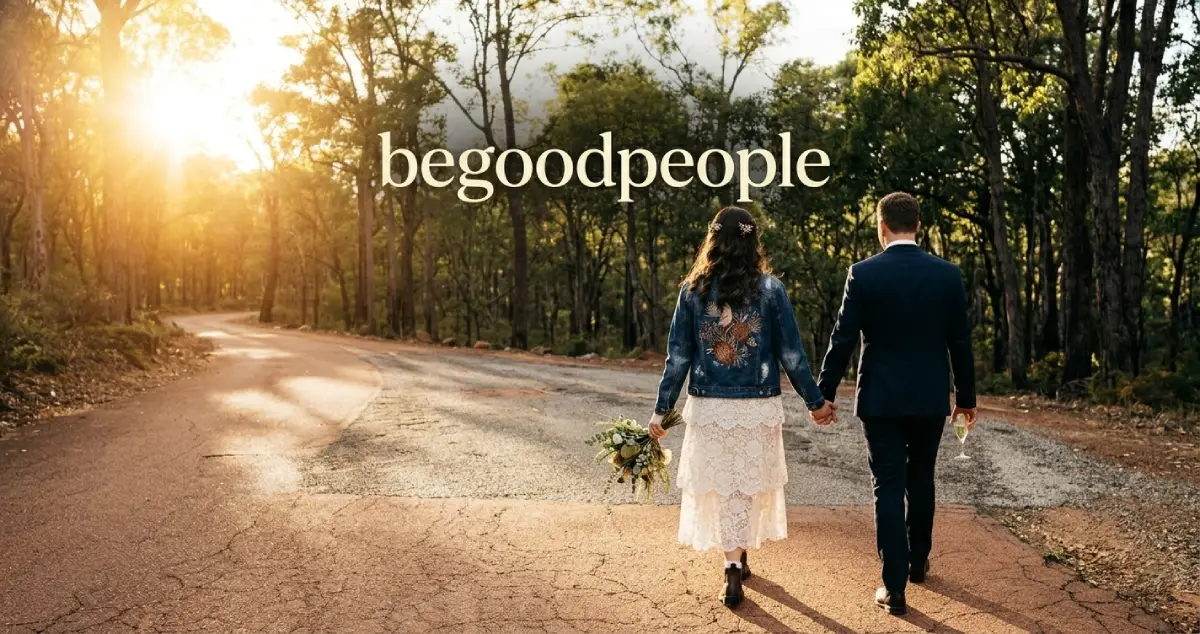
There’s a phrase that sounds almost too simple to mean much — BegoodPeople. Three words. A child could say them. Yet somewhere between the simplicity of the sentiment and the complexity of daily life, those three words carry more weight than most of us stop to consider. In a world increasingly shaped by polarization, social pressure, and performative virtue, the idea of genuinely being a good person has become both more important and more misunderstood. This isn’t about perfection or moral superiority. It’s about the quiet, consistent choices that shape who we are, how we treat others, and the kind of world we collectively build.
The Difference Between Seeming Good and Actually Being Good
Most people want to be seen as good. That’s human. But there’s a meaningful gap between curating an image of goodness and actually practicing it — and that gap matters more now than at almost any other point in modern history.
We live in an era of social visibility. What we post, share, and signal publicly has become a proxy for who we are, at least in the eyes of others. Someone can donate to a cause on social media, broadcast their generosity widely, and feel morally satisfied — while being unkind to the people they encounter in person every single day. This isn’t a condemnation of public advocacy; causes genuinely need visibility.
Psychologists call this “moral licensing” — the phenomenon where doing something virtuous in one domain gives people unconscious permission to behave worse in another. Studies from Stanford and Northwestern have demonstrated that people who engage in overtly charitable acts are subsequently more likely to act selfishly in unrelated situations. The takeaway isn’t cynicism. It’s self-awareness. Real goodness requires consistency, not just occasional high-visibility acts.
Being a genuinely good person involves character — the traits and habits that define how you act when no one is watching. It means being patient with the overwhelmed cashier, honest when a lie would be easier, and kind to people who cannot offer you anything in return. These are quiet virtues. They don’t trend. But they compound over time in ways that shape both individual lives and entire communities.
Will You Check This Article: Uncategorized BizWebGenius Archives: What They Are and Why They Matter for Your Site
Why Kindness Is Not the Same as Weakness
One of the most persistent misconceptions about being a good person is that it requires being soft, agreeable, or conflict-avoidant. In reality, genuine goodness often demands exactly the opposite.
Kindness without honesty is just pleasantness. It feels nice but it doesn’t actually help people. A truly good friend tells you when your plan has a serious flaw, not because they enjoy delivering difficult news, but because they care more about your wellbeing than their own comfort. That kind of care — direct, honest, and rooted in genuine concern — is arguably a higher form of kindness than simply saying what people want to hear.
Similarly, goodness sometimes requires courage. The philosopher Aristotle described virtue not as the absence of impulse but as the well-developed capacity to act rightly despite competing pressures. That framing still holds.
Think of figures like Nelson Mandela or Malala Yousafzai — people widely recognized not just for their accomplishments but for the quality of their character under duress. What made them exemplary wasn’t an absence of fear or anger. It was the choice to act with integrity anyway. Most of us will never face challenges of that magnitude, but the principle scales down beautifully to ordinary life.
The Forgotten Virtue: Respect for Ordinary People
There’s a tendency in contemporary culture to reserve our strongest moral admiration for the dramatically selfless — the first responder, the activist, the philanthropist. These people deserve recognition. But in focusing on exceptional acts, we can overlook the ethical fabric of everyday life and the people who quietly uphold it.
The neighbor who shovels snow off the elderly couple’s driveway without being asked. The colleague who notices a teammate is struggling and picks up extra work without making it a transaction. The parent who models patience and fairness even on hard days, knowing their child is watching more carefully than any audience. These aren’t stories that go viral. But they’re the ones that quietly shape how families function, how communities cohere, and how individuals come to understand their own capacity for goodness.
Respecting ordinary people — the ones who don’t have platforms, the ones who work hard in jobs that no one celebrates, the ones who don’t demand recognition for their decency — is itself an underappreciated form of moral practice. Treating the janitor with the same basic courtesy you’d show the executive isn’t just nice; it’s a reflection of genuine ethical commitment. It says: I see your humanity as inherently valuable, not contingent on your status or what you can offer me.
This principle extends beyond individual encounters to structural attitudes. Societies that cultivate respect for all people — regardless of class, profession, appearance, or background — tend to be more cohesive, more trusting, and more resilient. The research on social capital, pioneered by sociologists like Robert Putnam, consistently shows that communities with higher levels of interpersonal trust and mutual regard function better across almost every measurable dimension, from public health outcomes to economic mobility.
How Children Learn to BegoodPeople — And What That Tells Adults
Child development research offers a fascinating window into the origins of moral character, and it has some humbling implications for adults. Children don’t primarily learn ethics from lectures, rules, or moral instruction. They learn it from watching the adults around them.
When parents or caregivers demonstrate empathy, manage conflict constructively, acknowledge their own mistakes openly, and treat other people with consistent respect, children internalize those patterns. When they don’t, no amount of “be nice” messaging fills the gap. The modeling is the message.
This matters for adults because it reveals something important: our everyday conduct is always, in some sense, on display. A teenager who watches a parent handle a tense situation with dignity and composure learns something lasting about what it looks like to be a grown adult in the world. A child who overhears a parent speaking disparagingly about entire categories of people learns something lasting too.
The point isn’t to perform goodness for an audience of children. It’s to recognize that genuine ethical practice, lived consistently, is one of the most meaningful things any adult can pass forward.
The Role of Empathy in Becoming a Better Person
Empathy is not a personality trait you either have or don’t. It’s a capacity — one that can be developed through intentional practice, and one that forms the foundation of most meaningful moral progress.
At its core, empathy is the ability to recognize and imaginatively inhabit another person’s perspective. Not just to feel sorry for them, but to genuinely understand their experience from the inside. This distinction between sympathy and empathy is important. Sympathy maintains distance: I feel bad that you’re going through that. Empathy closes it: I understand something of what that feels like, and it changes how I see you and what I owe you.
Developing empathy requires slowing down, which is increasingly countercultural in an environment designed to accelerate everything. It means asking questions instead of assuming. It means pausing before reacting to someone’s behavior and asking what pressures or experiences might have shaped it. It means reading widely — literature, in particular, has long been associated with the development of empathic capacity, a finding backed up by studies from the New School for Social Research, which found that reading literary fiction measurably improved performance on tests of empathy and social cognition.
There’s also a structural dimension to empathy worth acknowledging. It’s relatively easy to empathize with people who are similar to us. The harder, more morally demanding practice is extending genuine understanding to people whose experiences differ significantly from our own — across different cultural backgrounds, different economic circumstances, different political convictions. This doesn’t mean abandoning judgment entirely. It means grounding that judgment in understanding rather than assumption. The results, both for individuals and for communities, tend to be better.
Integrity: The Quiet Architecture of a Good Life
If empathy is the emotional foundation of goodness, integrity is the structural one. Integrity means alignment — between values and actions, between what you say and what you do, between the person you present publicly and the person you actually are.
Living with integrity doesn’t mean being rigidly perfect. It means having a coherent ethical identity that you’re willing to uphold even when it’s inconvenient. People with strong integrity tend to experience less internal conflict, higher self-respect, and more genuine trust from the people around them. That trust is not incidental — it’s one of the most valuable things a person can build over a lifetime, and it accumulates one consistent action at a time.
Integrity also involves how you handle failure and wrongdoing. When you make a mistake — and everyone does — genuine integrity means acknowledging it without defensiveness, making amends where possible, and changing the behavior rather than just managing the optics. This sounds obvious but is frequently hard in practice, especially in professional or public contexts where admissions of fault feel risky. The people who do it anyway tend to earn something more durable than the respect they’d have received for never making the mistake: they earn trust.
Being Good in an Unjust World
One of the more philosophically difficult questions around goodness concerns structural injustice. Can individual goodness matter in a system that produces bad outcomes regardless of individual choices?
The answer, while complicated, is yes — though not by itself. Individual ethical conduct and systemic change are not mutually exclusive. They operate on different scales but reinforce each other. A person can practice genuine fairness and kindness in their daily interactions while also supporting and advocating for structural improvements that make fairness and kindness easier for everyone to access. These aren’t competing commitments.
There’s also a trap worth naming: the temptation to use awareness of systemic injustice as a reason to disengage from personal ethical responsibility. “The system is broken so why bother being good?” is a real but ultimately self-defeating position. Systems are composed of people. Culture is shaped by norms. Norms are built from the accumulated behavior of individuals. This doesn’t mean individuals bear full responsibility for every societal ill, but it does mean that what each person does, day by day, genuinely contributes to the larger pattern.
Practical Ethics: Small Decisions That Shape Large Character
It’s worth being concrete about what the practice of goodness looks like at the ground level, because the gap between aspiration and action is often bridged — or not — through small moments.
Returning an overdue phone call to a struggling friend when you’re tired. Admitting to your team that your idea didn’t work rather than obscuring the failure. Resisting the small social pleasures of gossiping about someone you don’t particularly like. Staying patient with a slow driver instead of manufacturing outrage. Giving genuine credit to a colleague whose idea you built on. These aren’t dramatic moral tests. They’re the actual texture of ethical life.
In aggregate, these small choices form habits. Habits form character. And character, as Heraclitus observed more than two thousand years ago, is destiny. The person who consistently chooses honesty over comfort, patience over irritability, generosity over self-protection — that person, over time, becomes genuinely different. Not just nicer, but more capable of being trusted, more capable of being loved, and more capable of contributing to the communities they’re part of.
The Social Impact of Everyday Goodness
The ripple effects of individual character extend further than most people realize. Research in behavioral science has established the contagious nature of both prosocial and antisocial behavior. When people observe acts of generosity, they become more generous. When communities cultivate norms of honesty, the individual cost of honesty drops and its frequency rises. The opposite is also true, which is why environments of cynicism and bad faith tend to be self-reinforcing.
This means that each person who commits genuinely to being good — not performatively, but in the quiet, consistent way that actually changes behavior — is doing something with outsized effects. They are nudging the norms around them. They are making it slightly easier for the next person to do the right thing. They are participating in what ethicists call “the moral fabric of society,” which sounds abstract until you realize it’s just the sum total of how people treat each other, accumulated across millions of ordinary interactions.
Conclusion: What It Means to BegoodPeople — Today
To be good people — genuinely, not just reputationally — is to choose, repeatedly and imperfectly, a way of living oriented toward the wellbeing of others as well as yourself. It means cultivating empathy and practicing integrity, even when neither is immediately rewarded. It means treating honesty as a form of respect, courage as a component of kindness, and consistency as the real measure of character.
In an age that prizes performance over practice, visibility over substance, and speed over depth, the commitment to genuine goodness is in some ways a quiet act of resistance. It asks us to care about the quality of our choices when no one is watching, to extend understanding to people who are different from us, and to recognize that the world we want to live in is built, piece by piece, from how we treat each other in ordinary moments.
The standard isn’t perfection. It never was. But the direction matters — always trying to act with a little more integrity, a little more empathy, a little more honesty than comes naturally in a given moment. That effort, sustained over time, is what it means to be good people. And it turns out that’s more than enough to change things.
Read More: Pointmagazine.co.uk
Entertainment
Soundgasm Explained: The Complete Guide to the Audio Platform Everyone’s Talking About
There are platforms that try to do everything, and then there are platforms that do one thing exceptionally well. Soundgasm belongs firmly in the second category. If you’ve ever stumbled across a link on Reddit, Discord, or a niche community forum that led you to a bare-bones page with a single play button, there’s a good chance you’ve already encountered Soundgasm — even if you didn’t know what it was called. This guide unpacks everything about the platform: how it works, who uses it, what kinds of audio you’ll find there, why it has quietly accumulated a loyal following despite never advertising itself, and what you need to know whether you’re a curious listener or someone thinking about uploading content for the first time.
What Is Soundgasm, Exactly?
At its most basic, Soundgasm is a browser-based audio hosting and streaming platform. Users upload audio files — typically MP3s — and in return receive a unique, shareable URL that directs anyone who clicks it to a simple playback page. You click the link, the audio loads, and you press play.
That description might sound almost aggressively simple, but that simplicity is precisely the point. The platform was never designed to compete with Spotify, SoundCloud, or Apple Podcasts. It occupies its own distinct space: a lightweight, no-friction hosting layer that anyone can use without handing over personal information or navigating a complicated onboarding process.
The name itself carries an unmistakably suggestive undertone, and that’s a reflection of the community that first rallied around the platform. Soundgasm developed a strong early association with adult audio content — particularly erotic storytelling, audio roleplay, and voice-based creative work shared on communities like Reddit’s r/GoneWildAudio. But the platform is not exclusively adult in nature. It’s format-agnostic, meaning anyone can upload any type of audio they want, provided it complies with the site’s terms of service. ASMR recordings, spoken-word fiction, micro-podcasts, ambient soundscapes, character voice work, educational audio clips — all of these coexist on the same platform.
Will You Check This Article: Movies123 Explained: What It Is, Why It Disappeared, and What to Use Instead
The Core Philosophy Behind the Platform
What makes Soundgasm genuinely interesting from a design perspective is its deliberate refusal to become more than it needs to be. Most digital platforms follow a familiar arc: launch with a core feature, attract users, then gradually layer on monetization, social tools, algorithmic discovery, and brand partnerships until the original value proposition gets buried under the weight of growth-driven features. Soundgasm has resisted that arc almost entirely.
There are no ads. There’s no analytics dashboard for creators. There’s no “for you” page, no comment system built into the platform itself, and no follower count to chase. The platform doesn’t try to keep you on-site the way social media is designed to do. You arrive, you listen, you leave. This restraint isn’t a flaw or an oversight — it’s what has allowed the platform to remain genuinely useful to a specific kind of creator and a specific kind of listener for years.
How the Platform Works: Uploading, Sharing, and Listening
Understanding how Soundgasm functions is straightforward, but there are some nuances worth knowing whether you’re approaching it as a creator or as a listener.
For Creators: Publishing Audio in Minutes
The upload process on Soundgasm is remarkably lean. A creator doesn’t need to establish a full account in the traditional sense. The process involves logging in with a username, uploading an audio file in a supported format (MP3 being the most common), adding a title and an optional description, and submitting. The platform then generates a unique URL tied to that upload.
There’s no email confirmation loop, no multi-step verification, no profile photo requirement. The barrier to entry is about as low as it can get. For someone who simply wants to share a voice recording with an audience, that frictionless experience is genuinely valuable. It means that a fiction writer who records a scene, a voice actor testing a character, or an ASMR artist who produces content for a dedicated Reddit community can go from finished audio file to shareable link within minutes.
Practically speaking, creators who want the best playback experience should export their files at 128–192 kbps for voice-focused content. Normalizing audio to around –16 LUFS (stereo) or –19 LUFS (mono) and applying light compression can noticeably improve clarity, especially for spoken-word recordings where intelligibility matters more than dynamic range. A decent USB condenser or dynamic microphone, combined with a quiet recording environment, will produce audio that plays well even on the platform’s minimalist player.
For Listeners: Zero-Paywall Streaming
From the listener’s side, the experience is even simpler. You receive a link, you click it, and you hear audio. There’s no account required, no subscription tier that gates premium content, and no advertising playing before the clip. This zero-paywall model is one of the strongest reasons the platform has spread as widely as it has through niche communities.
The absence of an app requirement is significant. Soundgasm plays directly in the browser, which means it works on mobile and desktop alike without any additional software. The trade-off is that the player itself is barebones — you get a progress bar, a play/pause toggle, and whatever descriptive text the creator chose to include. There are no chapters, no variable playback speed controls built natively into the platform, and no playlist function within the site itself.
Creators who understand this often compensate by structuring their descriptions carefully — including timestamps for longer pieces, links to related uploads, and context that helps a listener decide whether this particular recording is what they’re looking for before committing their time to it.
The Communities That Shaped Soundgasm’s Identity
It’s impossible to talk about Soundgasm honestly without acknowledging the communities that made it what it is. The platform didn’t grow through traditional marketing. It grew through word of mouth in specific online spaces, and understanding those spaces is key to understanding why the platform works the way it does.
Reddit and the GoneWildAudio Connection
Reddit’s r/GoneWildAudio community is probably the most significant single driver of Soundgasm’s growth. The subreddit became a hub for audio erotica — creators recording and sharing intimate, voice-acted content — and Soundgasm emerged as the preferred hosting solution because it allowed NSFW audio to be shared via link without requiring listeners to navigate an adult platform directly. Creators would post to Reddit with a Soundgasm link embedded, and the community discovery happened on Reddit’s side, with the audio itself living on Soundgasm.
This arrangement suited both platforms well. Reddit provided the discovery mechanism and community infrastructure; Soundgasm provided the hosting without imposing restrictions that would have complicated adult content sharing. Over time, the GWA community developed its own taxonomy — content tags, creator personas, recurring formats — and Soundgasm links became the lingua franca for sharing new audio.
ASMR, Roleplay Audio, and Voice Fiction
Beyond adult content, Soundgasm attracted a meaningful number of creators working in adjacent audio genres. ASMR — Autonomous Sensory Meridian Response — is the phenomenon where certain sounds trigger a pleasant, tingling sensation in listeners. While YouTube remains the dominant platform for ASMR video content, some ASMR creators use Soundgasm for audio-only uploads, particularly those featuring whispering, ear-to-ear binaural recording, and ambient layered soundscapes.
Audio roleplay is another genre that found a home on the platform. Creators produce first-person voice recordings in which a character speaks directly to the listener — a technique common in “Yandere” audio content, comfort character recordings, and narrative fiction performed in-character. These recordings often link to one another, creating loose serial narratives that listeners follow across multiple uploads.
The platform’s open-format nature made it a natural fit for all of these use cases. Creators in niche genres often struggle to find platforms that don’t restrict their content while also not burying them under algorithmic noise. Soundgasm, by having essentially no algorithm at all, gave those creators exactly the neutral hosting infrastructure they needed.
The Design Choice That Sets It Apart From Every Other Audio Platform
It’s worth pausing to examine what Soundgasm’s minimalism actually means in a practical sense, because it’s a rarer design philosophy than it might initially appear.
Most audio platforms are built around retention. They want listeners to keep coming back, keep discovering new content, keep spending time on the platform — because time spent on platform translates to advertising revenue, subscription renewals, or data collection. That incentive structure shapes everything: recommendations, autoplay, social features, notifications, and homepage layouts are all engineered to pull attention forward.
Soundgasm has none of that. When a Soundgasm link is shared, the person sharing it is the discovery mechanism. The platform itself makes no effort to surface adjacent content, suggest other creators, or keep the listener engaged beyond the single audio clip they clicked on. This is unusual enough to be genuinely disorienting if you’re accustomed to modern platform design — but for creators who share their work in communities they’ve built independently, it means their audience arrives exactly where they intended, without being immediately redirected elsewhere.
The trade-off, of course, is that Soundgasm offers almost nothing in the way of audience-building infrastructure. There are no follower counts, no notification systems, no discovery features that could expose a creator to new listeners. Creators on Soundgasm succeed by building their audience on other platforms — Reddit, Discord, Twitter/X, Tumblr — and using Soundgasm purely as the hosting and playback layer. The platform functions beautifully as a component in a creator’s broader toolkit; it functions poorly as an all-in-one solution for someone trying to grow from zero.
Content, Safety, and the Ethics of an Open Platform
The openness that makes Soundgasm useful also raises legitimate questions about safety, consent, and content moderation. These aren’t hypothetical concerns — they’re questions that anyone engaging seriously with the platform should think through.
What the Terms of Service Actually Prohibit
Soundgasm’s terms of service prohibit hate speech, non-consensual content, and illegal uploads. Creators are required to tag NSFW content clearly. The platform has a flagging mechanism that allows users to report content that violates these terms. These safeguards are real, though they operate on a relatively light-touch basis compared to the moderation infrastructure of major platforms.
The absence of mandatory account creation creates an anonymity layer that is genuinely valuable to many creators — particularly those who produce adult content and have legitimate reasons to separate that work from their personal identity online. It also means that accountability is harder to enforce in cases where content crosses a line. This is a genuine tension in the platform’s design, and it’s one that users and creators alike should be aware of.
Navigating Adult Content Responsibly
Because Soundgasm is well-known for hosting adult audio content, listeners encountering the platform for the first time should approach it with the understanding that explicit material is present. The tagging system is designed to make NSFW content identifiable before playback, but the system relies on creators labeling their work accurately. Parents should be aware that the platform’s open access model means there are no age-verification barriers.
For adult creators, the platform’s approach — requiring NSFW tags while otherwise permitting explicit content — represents a relatively permissive stance compared to platforms that have progressively tightened restrictions on adult material. This has made Soundgasm a consistent reference point for creators displaced by policy changes on Tumblr, Twitter/X, and other platforms that once hosted similar communities.
How Soundgasm Compares to Other Audio Platforms in 2025
Understanding where Soundgasm sits in the broader audio platform landscape helps clarify who it’s actually for.
Against SoundCloud and Podcast Platforms
SoundCloud and Soundgasm are sometimes mentioned in the same breath, but they serve genuinely different purposes. SoundCloud is built for music — it has social features, follower systems, analytics, monetization options, and an algorithmic discovery layer. It’s a platform where building an audience on the platform itself is the goal. Soundgasm is a hosting utility. It doesn’t want to be where your audience lives; it just wants to store your audio and deliver it when someone clicks a link.
Podcast platforms like Spotify for Podcasters, Buzzsprout, or Anchor are even further removed from Soundgasm’s use case. They’re built around RSS feed distribution, multi-episode serialization, analytics, and long-form audio formatted for regular scheduling. Soundgasm works best for single-file sharing, not for creators managing a structured catalog of episodic content.
Against Newer Competitors
By 2025, some competitors have emerged specifically to address the gap Soundgasm occupies. Platforms like DirtyVocal offer more modern interfaces, better search functionality, user profiles, playlists, and interactive community features. For creators who want more than bare-bones hosting, these alternatives are worth considering. But Soundgasm retains a significant advantage that newer platforms haven’t yet replicated: the trust and familiarity of established communities. Years of links shared across Reddit, Discord, and Tumblr have created a recognizable association — when someone sees a soundgasm.net URL, they know what to expect in a way they might not with a newer domain.
Practical Tips for Creators Using Soundgasm Effectively
If you’re a creator considering using Soundgasm as part of your workflow, there are some approaches that experienced users have found genuinely useful.
Treating Soundgasm as One Layer of a Larger System
The creators who get the most out of Soundgasm don’t rely on it as their only tool. A common and effective approach involves using a community platform — most often a subreddit, a Discord server, or a dedicated social media presence — as the discovery layer, and Soundgasm as the hosting layer. The community platform is where you build relationships, share updates, and attract new listeners. Soundgasm is where the audio actually lives. This division of labor plays to each platform’s strengths and avoids trying to build an audience in a place that has no discovery features.
Writing Descriptions That Do Work
Because Soundgasm’s player interface is so minimal, the description field carries a lot of weight. A creator who writes a thoughtful description — explaining the scenario, including content tags, noting any relevant trigger warnings, and linking to related uploads — gives listeners the context they need to decide whether to press play. A blank description or a single vague sentence does the opposite. In the absence of any platform-side curation, the creator’s description is the primary tool for matching the right audio with the right listener.
Audio Quality as a Baseline Standard
Soundgasm’s community skews toward voice-forward content, which means audio quality standards have gradually risen. A recording made in an echoey room with a low-quality microphone will feel noticeably rough compared to content from creators who have invested in even modest acoustic treatment and a reasonable microphone. Entry-level USB condenser microphones and recording in a soft-furnished, small room can make a substantial difference. Listeners in established communities have developed ears attuned to quality, and first impressions are formed quickly in audio content.
Using Spoken Calls-to-Action Wisely
One technique experienced creators use is including a brief spoken call-to-action at the end of their uploads — ten to fifteen seconds directing listeners to their main community space, their next piece, or a support platform. Because Soundgasm has no native recommendation engine, this spoken CTA does the work that an algorithm would otherwise do. It’s a small thing, but over a catalog of content it can meaningfully contribute to listener retention.
The Cultural Significance of Audio Content in 2025
Soundgasm exists in a broader context where audio content is experiencing sustained and growing cultural relevance. Podcast listenership has expanded significantly over the past several years. Audiobooks have grown into a major format. ASMR content generates billions of views on YouTube. The broader category of voice-based entertainment — from ambient audio to first-person storytelling to erotic audio fiction — has attracted audiences that wouldn’t have identified as “audio content consumers” a decade ago.
Within that landscape, Soundgasm represents something distinctive: a platform that serves the long tail of audio creation, the niche and the experimental and the intimate, without requiring creators to professionalize their workflow or listeners to subscribe to anything. It functions as a kind of audio commons — a shared space where content can exist without commercial pressure shaping what gets made or how it’s distributed.
The communities that have built up around Soundgasm-hosted content are genuinely creative. Voice acting, collaborative fiction, ASMR experimentation, erotic storytelling — these are real creative practices with their own craft traditions, community standards, and evolving aesthetics. The platform has served as infrastructure for those practices without ever trying to own them, and that has earned it a degree of trust that more commercially ambitious platforms often struggle to replicate.
Is Soundgasm Safe to Use?
This is a question many new users ask, and the answer has a few different dimensions worth addressing clearly.
From a cybersecurity perspective, Soundgasm is generally considered low-risk. The platform streams audio through the browser rather than requiring file downloads, which eliminates the most common vector for malware distribution. The site does not operate an invasive advertising network, and it does not require users to provide personal information to listen. For listeners, the main practical concern is content they might encounter that they weren’t prepared for — which is why the NSFW tagging system exists and why reading descriptions before playing unfamiliar content is a sensible habit.
For creators, the question of safety is more about platform stability and longevity than technical risk. Soundgasm has been operating for years without a major overhaul or shutdown, but it is an independent platform without the institutional backing of a major tech company. Creators who invest significant energy into building a catalog on any single platform take on risk — which is why experienced creators typically cross-post their catalog index to community spaces they control and maintain copies of their audio files independently.
Conclusion: Why Soundgasm Still Matters
In a digital ecosystem that rewards scale, noise, and commercial ambition, Soundgasm has persisted by doing almost none of those things. It is a platform that loads fast, asks nothing of its listeners, and demands very little of its creators beyond the audio itself. That simplicity is not a limitation — it’s a deliberate design choice that has made the platform genuinely useful to a wide range of people who need something the larger audio platforms were never built to provide.
Whether you arrive at Soundgasm through a Reddit thread, a Discord recommendation, or a curious search, what you find is the same thing: a play button, and whatever someone chose to record. The creative range of what lives behind those play buttons — the ASMR recordings, the erotic storytelling, the voice fiction, the character audio, the experimental soundscapes — reflects the remarkable diversity of what people want to make and share when a platform gets out of their way.
If you’re a listener, Soundgasm offers a direct route to audio content that simply doesn’t exist anywhere else with the same ease of access. If you’re a creator, it offers infrastructure that respects your creative autonomy without asking for anything in return. And if you’re simply trying to understand what the platform is and why people keep talking about it, the answer is straightforward: Soundgasm has survived and remained relevant because it solved a specific problem exceptionally well, and it never lost sight of what that problem actually was.
Read More: Mynewsdaily.co.uk
There’s a certain kind of frustration that hits when you’re settled in for a movie night, only to find the film you want locked behind yet another subscription paywall. That frustration is precisely what made Movies123 one of the most-visited websites on the internet during its peak years — and why tens of millions of people are still searching for it today. Whether you stumbled across the name in conversation or found yourself typing it into a search bar at 11 PM on a Friday, this guide is going to give you the complete, honest picture: what the platform was, how it actually worked, the very real risks it carried, and where to find genuinely free and legal entertainment in 2026.
What Exactly Was Movies123?
At its core, Movies123 — also known as 123Movies, GoMovies, GoStream, and a rotating carousel of other domain names — was a free online streaming aggregator that launched around 2015 out of Vietnam. It didn’t host movies on its own servers in the traditional sense. Instead, it functioned more like a sophisticated search engine for video content: it indexed and organized links to films and television series hosted on third-party servers, then embedded those streams directly into its own sleek interface.
The result was something that looked and felt like a legitimate streaming platform — clean thumbnails, genre filters, search bars, HD playback — but operated without licenses from a single studio or content creator. Users could find everything from last night’s network television episode to a Hollywood blockbuster that had only just left theaters. The platform’s library reportedly spanned tens of thousands of titles across multiple decades and dozens of countries, making it a genuinely remarkable achievement in aggregation, even if that achievement existed entirely outside the law.
What separated it from earlier piracy tools was the user experience. Gone were the days of hunting through sketchy torrent sites, managing download queues, or worrying about incomplete files. Movies123 gave people something that felt frictionless: you searched, you clicked, you watched. In an era when Netflix, Hulu, and Amazon were still building their libraries and content was increasingly fragmented across competing services, that kind of simplicity was enormously appealing.
Will You Check This Article: EzClasswork: The Complete Guide to Learning Through Play
How It Grew Into One of the Web’s Biggest Piracy Sites
The timing of Movies123’s rise is worth understanding, because it didn’t happen in a vacuum. The mid-2010s represented a particular moment in streaming history: Netflix had disrupted the DVD rental model, but the post-Netflix fragmentation hadn’t yet reached its current extreme. Studios were just beginning to pull content from Netflix’s library to launch their own platforms, and the consumer backlash — the sense that you now needed six subscriptions to watch everything you wanted — was building steadily.
Into this environment, a site offering everything in one place and charging exactly nothing was always going to attract an enormous audience. By 2018, the platform was receiving tens of millions of visits per month, routinely appearing on lists of the most-trafficked websites globally. The Motion Picture Association of America identified it as one of the world’s most significant sources of online piracy, which ultimately made it too large a target to ignore.
The platform also mastered a kind of institutional resilience. Whenever authorities or internet service providers managed to block one domain, the operators would simply surface under a new one — 123movies.to became gomovies.to became 123movieshub, and so on. This cat-and-mouse dynamic frustrated copyright enforcement for years and gave the platform a kind of hydra-like quality: cut off one head, and two more appeared.
The Shutdown That Changed Everything
The end of the original Movies123 came swiftly in March 2018. Following a coordinated criminal investigation led by Vietnamese authorities — prompted heavily by pressure from the MPAA and the newly formed Alliance for Creativity and Entertainment (ACE), a coalition of major American media companies — the site’s operators shut it down. People who visited legacy domains were redirected to a message from ACE confirming the closure due to copyright infringement.
Several individuals connected to the site’s operation were arrested and faced prosecution. For the entertainment industry, it was a meaningful victory. The ACE, founded in 2017 specifically to combat digital piracy, held it up as proof that coordinated international enforcement could take down even the largest rogue platforms.
But the story didn’t end there — it never does. Within days of the shutdown, dozens of copycat sites had emerged, each attempting to replicate the original’s interface and library under similar names. Sites like 123movies.sc, 123moviesfree.net, and numerous others filled the vacuum almost immediately. The name “123Movies” had become, in effect, a generic term for free unauthorized streaming aggregators, much the way “Kleenex” became synonymous with tissues regardless of the actual brand.
This is the world that still exists today. When you search for Movies123 in 2026, you’re not finding the original platform — you’re finding a sprawling ecosystem of clones, mirrors, and impostors, many of which have nothing to do with the original operators and everything to do with exploiting residual brand recognition to drive traffic to ad-heavy or malware-laden pages.
Is Using Movies123 (or Its Clones) Legal?
This is the question most people actually want answered, and the honest response is: no, not in most countries, and not in any straightforward way.
The legal framework here operates on multiple levels. At the platform level, sites streaming unlicensed copyrighted content are unambiguously violating intellectual property law in virtually every major jurisdiction — the United States, the United Kingdom, the European Union, India, and Australia among them. The DMCA in the US, the Copyright, Designs and Patents Act in the UK, and equivalent legislation elsewhere all provide clear prohibitions against unauthorized distribution of copyrighted works.
At the user level, the picture is somewhat murkier, and this is where a lot of misinformation circulates. In the United States, streaming rather than downloading has historically occupied a legal gray area, and enforcement has concentrated almost exclusively on distributors rather than individual viewers. A 2014 Supreme Court-adjacent ruling suggested that someone merely watching an unlicensed stream may not bear direct copyright liability from that act alone — but legal strategies evolve, and this is emphatically not a guarantee of immunity.
In Germany, France, and the United Kingdom, enforcement has been considerably more aggressive. UK users accessing unauthorized content face potential fines up to £50,000 under existing legislation. ISPs in multiple countries have implemented deep packet inspection technologies that can identify piracy-related traffic regardless of VPN usage, and enforcement is only becoming more technically sophisticated over time.
The more practical answer for most users is that the legal risk from simply watching a stream is currently low in many Western countries — but “low risk” and “no risk” are different things, and the legal landscape is shifting. More importantly, as we’ll discuss shortly, the actual dangers from using these sites in 2026 are less legal than they are technical.
The Real Risks Nobody Talks About Enough
Whatever the legal calculus, the security risks of visiting Movies123 clone sites in 2026 are concrete, documented, and significantly underappreciated.
The original 123Movies platform was itself notorious for the quality of its advertising network — which is a polite way of saying that its ads were frequently vectors for malware distribution. On clone sites, this problem is dramatically worse, because there is no centralized operator with even a minimal interest in user safety. These sites typically run aggressive, deceptive ad networks that have earned them a reputation as one of the leading malware delivery channels on the open internet.
Common threats include cryptojackers (scripts that silently use your device’s processor to mine cryptocurrency while you browse), spyware that monitors keystrokes and browser activity, trojans installed through fake “update your video player” prompts, and phishing pages that mimic legitimate login screens to harvest credentials. The “Play Now” button on many of these sites doesn’t play a movie — it redirects to a scam page or initiates a silent background installation.
Privacy is another genuine concern. Without HTTPS encryption on many clone domains, your IP address is exposed to every party involved in serving you content — the site operator, third-party ad networks, and potentially law enforcement monitoring piracy traffic. These sites collect behavioral data and frequently sell it without any of the disclosure requirements that legitimate companies are bound by.
There’s also an ethical dimension worth naming plainly. The revenue generated by these ad networks — often significant, given traffic volumes — doesn’t stay in the entertainment ecosystem. Research has documented meaningful intersections between large-scale piracy operations and organized crime networks. That’s not a moralistic flourish; it’s a documented reality of how illegal streaming economies function at scale.
How the Streaming Landscape Has Responded
The story of Movies123 didn’t just reshape the piracy industry — it accelerated meaningful changes in how legitimate streaming services operate.
Studios and platforms watched the explosion of free streaming with considerable alarm, and they drew the obvious lesson: if people are willing to tolerate malware-laced ad barrages to avoid paying for content, the problem is at least partly one of price and accessibility. The response has been a gradual but significant expansion of free, ad-supported streaming options that give budget-conscious viewers a legal alternative.
The FAST (Free Ad-Supported Streaming Television) model has grown dramatically since 2018. Platforms operating on this model generate revenue through advertising rather than subscriptions, allowing them to offer content at zero cost to the viewer. What began as a niche category has become a major segment of the streaming market, and in 2026 it represents one of the most dynamic areas of entertainment technology.
The Best Legal Alternatives in 2026
If what drew you to Movies123 was the appeal of free, accessible entertainment without a credit card, the good news is that the legitimate streaming world has genuinely caught up. The following platforms offer real, licensed content at no cost to the viewer:
Tubi has emerged as the closest direct replacement for what Movies123 once offered in terms of sheer volume. Owned by Fox Corporation since 2020, it carries over 275,000 titles spanning movies and TV episodes, requires no account to start watching, and runs roughly four minutes of ads per hour — significantly less than traditional broadcast television. Its library spans Hollywood classics, genre films, international content, and increasingly, recent productions. It’s available across virtually every device category: smartphones, smart TVs, game consoles, streaming sticks, and desktop browsers.
Pluto TV, owned by Paramount Global, takes a different approach by combining an on-demand library with over 250 live television channels — essentially replicating the cable experience without the cable bill. Its on-demand catalog includes recognizable titles alongside niche content, and the live channels add a serendipitous dimension that on-demand services can’t quite replicate. No account is required, and it’s accessible on all major devices.
Plex, historically known as a personal media server, has built out a substantial free streaming tier that offers tens of thousands of licensed movies and shows. It requires no payment, though a free account is recommended to save progress across devices.
Kanopy occupies a different but genuinely remarkable niche: it’s a completely free, ad-free streaming service available to anyone with a library card or university login. Its catalog skews toward independent cinema, international film, documentaries, and the Criterion Collection — essentially the titles that streaming services rarely prioritize. If you haven’t checked whether your local library participates, it’s worth doing immediately.
Amazon Freevee and Peacock’s free tier round out the major options, each offering a meaningful library of licensed content supported by advertising, with optional paid upgrades for access to premium catalogs.
The honest assessment is that these platforms collectively cover the vast majority of what people were searching for on Movies123, often in better streaming quality, without pop-ups, and without any of the legal or security exposure.
What the Ongoing Demand for Movies123 Tells Us About the Industry
Even in 2026, years after the original platform’s shutdown and with a robust free streaming ecosystem in place, searches for Movies123 continue to spike around major theatrical releases. That fact is worth sitting with, because it says something honest about both consumer behavior and the entertainment industry.
Part of the ongoing demand reflects habit and familiarity — people who found the original interface intuitive are searching for what they remember. Part of it reflects genuine gaps in the legal streaming world: a major theatrical release might not appear on any free platform for months, and even paid services have geographical restrictions that leave international viewers without legitimate access to content they want. A viewer in Southeast Asia or South Asia might find that a title available on Netflix US is absent from their regional library entirely.
The fragmentation problem that helped Movies123 grow in the first place hasn’t been solved — it’s arguably gotten worse as more studios have launched their own services and pulled content into exclusive arrangements. The consumer who wants to watch everything legally in 2026 may still need four or five subscriptions, and the economics of that reality will continue driving some portion of the audience toward unauthorized alternatives.
This isn’t a defense of piracy — it’s an honest accounting of why enforcement alone will never solve the problem. The entertainment industry’s most effective anti-piracy tool has always been a better legitimate product at a price people are willing to pay. Every expansion of free, legal streaming options is a more durable solution than any domain seizure.
Staying Safe in a World Full of Clones
If you encounter any site presenting itself as Movies123, 123Movies, or any close variation in 2026, a few practical principles are worth keeping in mind.
Legitimate free streaming platforms never ask for payment information, and any site doing so under the 123Movies banner is either a scam or has nothing to do with the original platform. Real free services don’t require browser extensions or plugin downloads to play video — if a site is prompting you to install something before you can watch, leave immediately. URL inspection matters: the presence of a domain that looks slightly off (unusual country-code extensions, extra hyphens, deliberate misspellings) is a reliable indicator of a clone operation.
If you use a public computer or a shared network and somehow end up on one of these sites, a malware scan is a reasonable precaution. An ad blocker is a useful general defense across the broader internet, not just on piracy sites.
And if you’re using a VPN to access geo-restricted content on legitimate platforms — a completely legal and common practice — that’s a meaningfully different situation than using a VPN to access pirated content. VPNs provide privacy benefits on legal services; they don’t confer legal immunity on unauthorized streaming.
Conclusion
Movies123 represents one of the internet’s most instructive case studies in the tension between consumer demand, technological possibility, and intellectual property law. At its peak, it drew tens of millions of visitors a month precisely because it solved a real problem: people wanted simple, universal access to entertainment, and the legitimate market wasn’t offering it affordably or conveniently enough. The platform’s shutdown in 2018 removed the original operators from the equation but didn’t address the underlying demand — it simply scattered that demand across a landscape of clones and mirrors that are, in most respects, more dangerous and less reliable than the original ever was.
The practical takeaway for anyone reading this in 2026 is straightforward: the free, legal streaming ecosystem has genuinely matured to the point where it can meet most of what Movies123’s audience was looking for. Tubi, Pluto TV, Kanopy, and their counterparts offer real entertainment, real licensing, and none of the malware exposure that comes with every clone site. The trade-off is sitting through a few more ads — a small price for not handing your device over to a cryptojacker at midnight. The smartest version of the movies123 search isn’t a search for a piracy mirror; it’s a search for the best free legal platform that has what you actually want to watch tonight.
Read More: Mynewsdaily.co.uk

How to Choose the Right drivingschool.com for Lifelong Safety

Zee Chat Review: Everything You Need to Know in 2025

mSales: The Complete Guide to Smarter Sales Force Automation

DigitalEdge.org: Your Gateway to Smarter Digital Growth

Daylin Ryder: The Creative Visionary Redefining Authentic Storytelling

Louisa Kochansky: The Visionary Leader Redefining Modern Excellence
-
 Tech7 days ago
DigitalEdge.org: Your Gateway to Smarter Digital Growth
-
 Celebrity7 days ago
Daylin Ryder: The Creative Visionary Redefining Authentic Storytelling
-
 Celebrity7 days ago
Louisa Kochansky: The Visionary Leader Redefining Modern Excellence
-

 Entertainment2 days ago
Soundgasm Explained: The Complete Guide to the Audio Platform Everyone’s Talking About
-

 Travel4 days ago
Senaven: The Complete Guide to Its Uses, Benefits, and Modern Relevance
-
 Business7 days ago
Pertadad: Meaning, Origins, and Its Rising Digital Identity
-
 Blog5 days ago
Alaskan Seiti: The Deep-Sea Treasure Reshaping Sustainable Seafood
-

 Sports23 hours ago
TotalSportek: The Complete Guide to the World’s Most Searched Sports Streaming Platform